
Your cart is currently empty!

The pace of innovation in consumer technology has dramatically increased over the past decade. Today’s devices are no longer single-purpose tools—they are multi-functional, interconnected, and designed to blend seamlessly into everyday life. Whether it’s a smartwatch tracking your sleep, a speaker controlling your smart lights, or earbuds that switch between devices automatically, users now expect more from their tech. With this evolution, expectations have shifted from pure functionality to a combination of performance, design, integration, and ease of use.
More than ever, utility has become the driving force behind new gadget trends. Consumers are drawn to devices that deliver real value in daily routines—not just those that look good or come with flashy specs. Smart features, battery life, portability, and simplicity are prioritized over raw technical power. For example, a well-built pair of wireless headphones that automatically connects, holds a charge for hours, and feels comfortable will often outperform more “advanced” models that fall short in everyday use.
Another significant factor is how well a device works within an existing ecosystem. With so many users owning multiple products—phones, tablets, wearables, home assistants—the expectation is that all these devices will work together. Smooth syncing, cross-device compatibility, and app control are no longer extras; they are baseline requirements. Devices that don’t meet these standards, no matter how technically impressive, are increasingly overlooked by today’s more informed buyers.
In a crowded market full of options, buyers are looking for guidance they can trust. A long list of specifications doesn’t always help when what matters most is how a product performs in real life. That’s where clear, experience-based reviews and detailed content become essential. Helping consumers understand how a product behaves in specific scenarios—travel, work, fitness, home use—provides more value than just listing the tech specs.
Why Integration Now Matters Most
Modern devices are expected to do more than perform—they must integrate. A smartwatch that syncs with your phone, a speaker that works with your voice assistant, or earbuds that pair instantly across devices — integration is no longer a bonus, it’s a must. Shoppers look for products that reduce friction in setup and enhance overall efficiency in use, not just deliver standalone performance.
Function Across Use Cases
Device value is now tied to how well it adapts to different environments. A set of wireless earbuds might work great at home but fall short outdoors. A portable speaker might sound excellent in a quiet room but struggle in open spaces. Understanding how tech handles real-world conditions is now a key factor in the buying process.

How to Evaluate Everyday Tech
Today’s most successful products are those that work intuitively, require little effort to maintain, and deliver consistent results across multiple use cases. Whether it’s seamless connectivity, reliable performance, or durable construction, buyers prioritize products that fit smoothly into daily life and keep working as expected without extra effort.
Two Practical Points to Review
- Battery life and recharge time are critical for portable and wearable tech. Long runtime with minimal downtime can make the difference between a convenient tool and a daily frustration.
- Build quality and simplicity of use are often underrated but play a huge role in long-term satisfaction. A device that’s solidly built and doesn’t require a learning curve is far more likely to become part of someone’s regular routine.
“Good technology doesn’t demand attention—it fits into your life, solves real problems, and works without getting in the way.”
by Matt Goulart, business analyst
As new devices hit the market each year, the goal isn’t just to offer something new—it’s to offer something better. That means more than spec upgrades. Better means easier to use, more reliable, better integrated, and actually helpful in daily life. Features that solve real problems or simplify common tasks will always outperform those that exist purely for marketing appeal.
Manufacturers are beginning to recognize this shift. We’re seeing more emphasis on user interface design, app ecosystems, and long-term software support. The most appreciated gadgets today are those that combine thoughtful design with straightforward utility, without overwhelming the user with unnecessary complexity.
Looking ahead, the demand for connected, functional, and durable devices will only grow. People aren’t just shopping for tech—they’re investing in tools that shape how they work, live, and connect. Brands that understand this—and deliver on it—will continue to stand out.
2 responses
I didn’t know about some of these features until now. Very helpful!
Great to hear! That’s why I enjoy writing these—there are always hidden gems worth sharing.
Trending
What Makes Premium Headphones Worth the Price?

A quick comparison of practical features across commonly used devices,…
Sale
Prices Drop. Volume Up. Limited Time
Latest Stories
Catch up on fresh articles and insights
What Makes Premium Headphones Worth the Price?
A quick comparison of practical features across commonly used devices,…
Wireless Speakers in Every Color: Which One Fits Your Style?
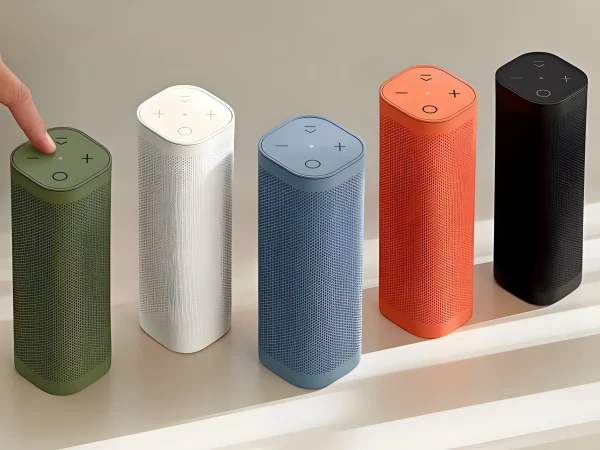
A review of build quality, compatibility, and essential specs to…
What to Look for in Your Next Pair of Wireless Earbuds
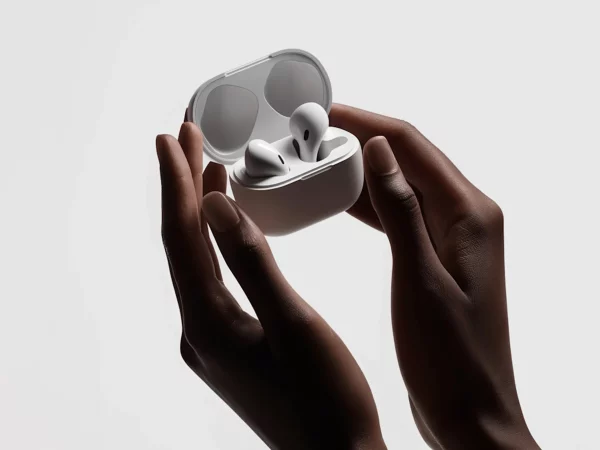
A general look at the key functions people rely on…
How Portable Should a Speaker Be? Everyday Use Cases Explained

An overview of design, battery life, and performance differences that…
Smartwatches That Do More Than Tell Time: A Quick Breakdown
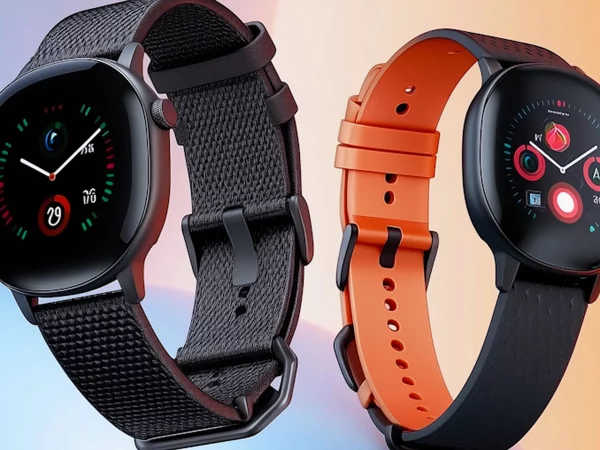
A quick comparison of practical features across commonly used devices,…
iPhone Setup Tips: Features You Should Activate First
A review of build quality, compatibility, and essential specs to…
Immersive Listening: Why Over-Ear Headphones Still Reign Supreme

A general look at the key functions people rely on…
Why Sport Earbuds Are Worth It—Even for Casual Users

An overview of design, battery life, and performance differences that…
Leave a Reply